(Click CC for subtitles) Ranjit, a farmer in India, takes on the fight of his life when he demands justice for his 13-year-old daughter, the victim of a brutal gang rape. His decision to support his daughter is virtually unheard of, and his journey unprecedented. Nominated for Best Documentary Award, the film has an undeniable and unshakable power. It is one of those documentaries where anyone who watches it won’t be the same person by the end as they were when it started. To Kill a Tiger offers the viewer remarkable access to village life, not just in the modest home where Ranjit’s family make roti on an open fire, but in the fields where they herd goats and collect water from a pump. The camera finds quiet details, like Ranjit’s daughter carefully weaving ribbons into her hair. Women and men insist that the community, not the criminal court, should solve the issue with a forced marriage—to remove the ‘stain on her’. The men become increasingly hostile—to the family, and eventually to the film crew itself.
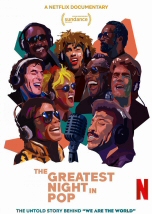
On January 25th, 1985, dozens of the era's most popular musicians gathered in Los Angeles to record a charity single for African famine relief. Setting egos aside, they collaborated on a song that would make history. The documentary transports viewers back to the recording of ‘We Are the World,’ capturing a seminal moment in music with gripping detail and emotion. Through an intimate lens, the film chronicles the night when some of the biggest names in the music industry united for a cause greater than themselves. With exclusive behind-the-scenes footage, candid interviews with the artists involved, and insights from music historians, the documentary reveals the challenges, camaraderie, and sheer talent that converged to make the recording session an unparalleled event in pop culture, making it a poignant reminder of the power of art to effect change.
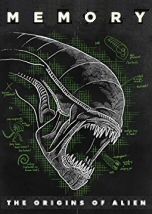
An in-depth voyage into the sci-fi film 'Alien' with the visionary filmmakers who created it. See how one of the most terrifying movies of all time came to life 40 years ago and the untold origin story behind Ridley Scott's movie. It was rooted in Greek and Egyptian mythologies and in our universal fears, and the history was inspired
by underground comics, the art of Francis Bacon, and the dark visions of Dan O'Bannon and H.R. Giger. The documentary is a contemplation on the symbiotic collaborative process of movie-making, the power of myth, and our collective unconscious.
This featured documentary delves into the tangled web of politics, show business, and organized crime in post-World War II America. It traces the unlikely connections between President John F. Kennedy, iconic singer Frank Sinatra, and notorious mobsters, revealing a saga of mutual assistance amidst corruption and betrayal. The film highlights the complex interplay of fame, money, and power, illustrating how these forces helped these figures rise to prominence in a chaotic and corrupt American landscape, ultimately leading to personal and political tragedies. The documentary paints a vivid picture of Kennedy and Sinatra's ascent, influenced by their ties with the mafia. Kennedy, groomed for power from birth, and Sinatra, rising from humble beginnings, both relied on mafia connections for their successes. As Kennedy's political career and Sinatra's entertainment stature grew, so did their dependence on the underworld. The film culminates in the portrayal of Sinatra's deep involvement in Kennedy's 1960 presidential campaign and the subsequent betrayal of the mafia by the Kennedy administration, suggesting that this complex network of relationships may have played a role in Kennedy's assassination. This provocative tale is a stark reminder of the dark intersection of fame, power, and crime.
A close examination of the Whakaari / White Island volcanic eruption of 2019, in which 22 lives were lost, the film viscerally recounts a day when ordinary people were called upon to do extraordinary things, placing this tragic event within the larger context of nature's unpredictability and the resilience and power of our shared humanity. The film explores the profound impact on survivors, their unwavering determination to recover and rebuild, and the enduring effects of the eruption. With remarkable personal stories, stunning visuals, and a poignant reflection on the forces of nature, this documentary offers a gripping portrayal of the human spirit and solidarity in the face of adversity. It is a must-watch for those interested in powerful storytelling and the resilience of the human spirit, with a captivating and thought-provoking narrative.
The documentary delves into the captivating world of Artificial Intelligence, exploring its rapid advancements, societal impact, and ethical dilemmas. Through interviews with experts, it highlights the potential for AI to learn like humans, revolutionizing our work and creations. It also raises critical questions about its regulation, the dangers of military applications, and the need for international cooperation. This thought-provoking documentary offers a deep dive into the AI revolution and the profound implications it holds for our future, making it a must-watch for anyone intrigued by the intersection of technology, ethics, and society. iHUMAN is a political thriller about artificial intelligence, power and social control. With unparalleled access to the inside of the booming AI industry, this film shows how the most powerful and far-reaching technology of our time is changing our lives, our society and our future.













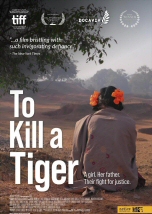







To Kill a Tiger offers the viewer remarkable access to village life, not just in the modest home where Ranjit’s family make roti on an open fire, but in the fields where they herd goats and collect water from a pump. The camera finds quiet details, like Ranjit’s daughter carefully weaving ribbons into her hair. Women and men insist that the community, not the criminal court, should solve the issue with a forced marriage—to remove the ‘stain on her’. The men become increasingly hostile—to the family, and eventually to the film crew itself.