The International Space Station is the ultimate extreme home. Costing $150 billion, it is the most expensive structure humans have ever built, in the most inhospitable environment known to man, with no air food or water. Assembled at 250 miles above the earth, it's an epic engineering challenge. We're going to take it apart and uncover what's going on inside the ISS. Its superstructure secrets will help our species reach other planets and beyond. Using photo-real computer graphics, we take it apart to uncover the extraordinary innovations that enable it to support life in the deadly vacuum of space.
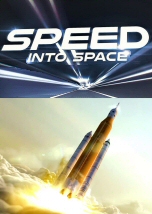
The most innovative area of human motion lies not on Earth, but with the exploration of space. Space is the most hostile environment we know. Navigating it involves crossing unprecedented distances. It's the greatest engineering challenge humanity has ever undertaken. Meet the pioneers who've dreamed of reaching other worlds, pushing the boundaries of space exploration, and the private space entrepreneurs jostling to offer the tantalizing prospect of cheap, frequent travel beyond the atmosphere into Earth orbit.
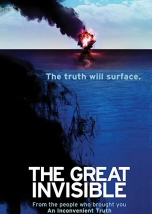
On April 20, 2010, the Deepwater Horizon oil rig exploded in the Gulf of Mexico. It killed 11 workers and caused the worst oil spill in American history. The explosion still haunts the lives of those most intimately affected, though the story has long ago faded from the front page. At once a fascinating corporate thriller, a heartbreaking human drama and a peek inside the walls of the secretive oil industry, 'The Great Invisible' is the first documentary feature to go beyond the media coverage to examine the crisis in depth through the eyes of oil executives, survivors and Gulf Coast residents who experienced it first-hand and then were left to pick up the pieces while the world moved on.
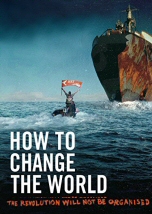
In 1971, a group of friends sail into a nuclear test zone, and their protest captures the world's imagination. It was from these humble but courageous beginnings that the global organisation that we now know as Greenpeace was born. Chronicling the fascinating untold story behind the modern environmental movement, this gripping new film tells the story of eco-hero Robert Hunter and how he, alongside a group of like-minded and idealistic young friends in the '70s, would be instrumental in altering the way we now look at the world and our place within it. Using never before seen archive that brings their extraordinary world to life, How To Change The World is the story of the pioneers who founded Greenpeace and defined the modern green movement.
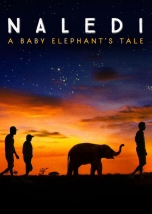
The film tells the true story of a baby elephant born into a rescue camp in the Botswana wilderness. When she’s suddenly orphaned at one month, the keepers and scientist looking after the herd become tireless surrogate mothers while they fight to save the entire species.
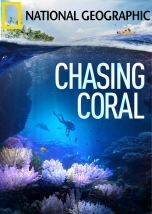
Coral reefs are the nursery for all life in the oceans, a remarkable ecosystem that sustains us. Yet with carbon emissions warming the seas, a phenomenon called 'coral bleaching' -a sign of mass coral death- has been accelerating around the world, and the public has no idea of the scale or implication of the catastrophe silently raging underwater. Chasing Coral taps into the collective will and wisdom of an ad man, a self-proclaimed coral nerd, top-notch camera designers, and renowned marine biologists as they invent the first time-lapse camera to record bleaching events as they happen. Unfortunately, the effort is anything but simple, and the team doggedly battles technical malfunctions and the force of nature in pursuit of their golden fleece: documenting the indisputable and tragic transformation below the waves. With its breathtaking photography, nail-biting suspense, and startling emotion, Chasing Coral is a dramatic revelation that won't have audiences sitting idle for long.









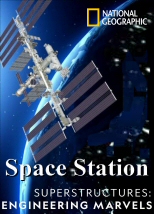



Its superstructure secrets will help our species reach other planets and beyond. Using photo-real computer graphics, we take it apart to uncover the extraordinary innovations that enable it to support life in the deadly vacuum of space.