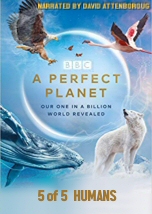
A new force threatens our perfect planet. In the past, five mass extinction events were caused by cataclysmic volcanic eruptions. It was not the lava or ash that wiped out life, but an invisible gas released by volcanoes: carbon dioxide. Almost every part of modern life depends on energy created by burning fossil fuels, and this produces CO2 in huge amounts. Humans are changing our planet so rapidly, it’s affecting earth’s life support systems: our weather, our oceans and the living world. The greatest change to be made is in how we create energy, and the planet is brimming with natural power that can help us do just that. It’s these forces of nature - the wind, the sun, waves and geothermal energy - that hold the key to our future. Through compelling animal-led stories and expert interviews, we discover how CO2 is destabilising our planet. We meet rescued orphaned elephants in Kenya, victims of ever worsening droughts, and join ocean patrols off the coast of Gabon fighting to save endangered sharks. In the Amazon, we witness wildlife teams saving animals in the shrinking forests, and in San Diego we enter a cryogenic zoo preserving the DNA of endangered species before they become extinct.
The U.S. authorities granted Bhagwan's visa as a religious teacher and leader. But local officials try to build a case against the Rajneeshees with the largest immigration fraud in the history of the United States. When Sheela's thirst for power, even with murder attempts, is revealed, the Bhagwan finally breaks his silence.
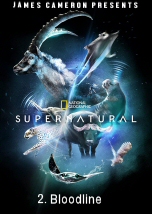
What's behind a pulse? The second episode dives into the world of an ice climber, a bus driver, a woman in labor, and a senior dance club to show how the human heart and the circulatory system power our physical and emotional lives, and create the pulsing rhythm of our world.
The episode is a journey through the human gut and the process of turning food into energy to keep the body going. Humans have turned eating into culture, a way to celebrate our roots, to bring us together. But food is really just one thing: Fuel. It's where you get the power to live your life. Even when you're sitting completely still, your body needs a lot of energy to stay on. But nowhere is the need for fuel more apparent than when you push yourself to the absolute limit. And the microbiome, the bacteria living in our gut, plays a great role in all this.
A mammoth Tsunami strikes the eastern seaboard. It would be a disaster of epic proportions. Some scientists believe this catastrophe could happen one day, but how? This episode shows the Atlantic island of La Palma has collapsed several times in mega-landslides. Another could trigger a tsunami with enough power to cross the Atlantic Ocean and decimate the US East Coast.
Beneath Yellowstone National Park, lies the biggest volcano on Earth. An eruption in the past was so big it plunged the earth into a volcanic winter that lasted years. A super-eruption would be more than millions of Hiroshima bombs going off all at once. It would be even worse than an asteroid impact: Entire cities lost beneath ash, people and animals crushed alive, power networks destroyed, sun dimmed across the globe, harvests failed, widespread famine.
Could this nightmare really happen? We will use the latest scientific data to uncover the danger beneath us, as we see our planet like never before.



















Through compelling animal-led stories and expert interviews, we discover how CO2 is destabilising our planet. We meet rescued orphaned elephants in Kenya, victims of ever worsening droughts, and join ocean patrols off the coast of Gabon fighting to save endangered sharks. In the Amazon, we witness wildlife teams saving animals in the shrinking forests, and in San Diego we enter a cryogenic zoo preserving the DNA of endangered species before they become extinct.