Around 12,000 years ago, humans began one of the most important transformations in history: the shift from hunting and gathering to farming and permanent settlements. Archaeological sites such as Gobekli Tepe reveal how these early communities lived, what they believed and how agriculture transformed diet, population and social life. Across Europe and the Middle East, prehistoric societies also created huge stone monuments, tombs and ceremonial sites, moving blocks weighing many tons with surprisingly limited technology. Presented here with both episodes combined into a single video, the documentary explores the birth of farming, organized communities, belief systems and monumental architecture during the Stone Age.
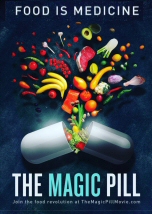
The Magic Pill follows doctors, patients, scientists, chefs, farmers and journalists from around the globe who are combating illness through a paradigm shift in eating. According to its followers, this simple change - embracing fat as our main fuel - is showing profound promise in improving the health of people, animals and the planet. The film is highly controversial and was criticized by some medical associations. The Paleo diet proposes that humans were genetically adapted to eating specifically those foods that were readily available to them in their local environments. Advocates of the diet claim many chronic diseases and degenerative conditions evident in modern Western populations have arisen because of a mismatch between Stone Age genes and modern lifestyles. The Paleo diet typically includes vegetables, fruits, nuts, roots, and meat and excludes foods such as dairy products, grains, sugar, legumes, processed vegetable oils, salt, alcohol or coffee.
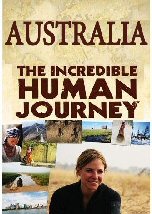
Dr Alice Roberts looks at our ancestors' seemingly impossible journey to Australia. Miraculously preserved footprints and very old human fossils buried in the outback suggest a mystery: that humans reached Australia almost before anywhere else. How could they have travelled so far from Africa, crossing the open sea on the way, and do it thousands of years before they made it to Europe? The evidence trail is faint and difficult to pick up, but Alice takes on the challenge. In India, new discoveries among the debris of a super volcano hint that our species started the journey much earlier than previously thought, while in Malaysia, genetics points to an ancient trail still detectable in the DNA of tribes today.
Alice travels deep into the Asian rainforests in search of the first cavemen of Borneo and tests out a Stone Age raft to see whether sea travel would have been possible thousands of years ago, before coming to a powerful conclusion.
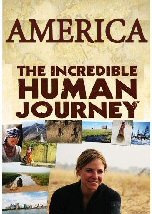
Alice Roberts tries to find out how Stone Age people reached North and South America for the first time. She finds out about an ancient corridor through the Canadian ice sheet that might have allowed the first humans through. Old finds in Chile though point to a whole different route for the first humans making it there.


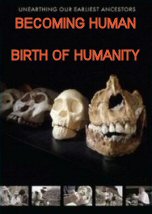





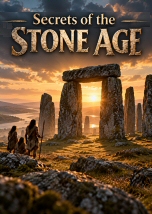
Across Europe and the Middle East, prehistoric societies also created huge stone monuments, tombs and ceremonial sites, moving blocks weighing many tons with surprisingly limited technology. Presented here with both episodes combined into a single video, the documentary explores the birth of farming, organized communities, belief systems and monumental architecture during the Stone Age.