In the third episode, during cleanup at the plant, insiders claim that cost-cutting measures and intimidation tactics create a danger war force than the accident itself. Several state and federal government agencies mounted investigations into the crisis, the most prominent of which was the President's Commission on the Accident at Three Mile Island, headed by chairman John G. Kemeny. The investigation strongly criticized Babcock & Wilcox, Met Ed, Graphics processing unit, and the Nuclear Regulatory Commission for lapses in quality assurance and maintenance, inadequate operator training, lack of communication of important safety information, poor management, and complacency. Kemeny said that the procedures and that the control room were greatly inadequate for managing an accident.
Will explore the strategy, deception and feats of engineering plants use to thrive in the changing weather of different seasons. In the face of conditions ranging from ice and snow to raging fires, survival is often a question of perfect timing - particularly when contending with intense competition and surprising predators. In this episode, David Attenborough travels to Finland to show one of the most extreme examples of seasonal plant life in the Arctic Circle. He also travels to California to see how climate change is affecting giant sequoias. These ancient trees like all other seasonal plants depend on the predictability of the seasons and our current changing climate threatens their survival.
This entertaining and engaging, high quality documentary film explores one of the most significant unanswered questions of our time 'Does infinity exist?' and if so, what are the implications of an infinite universe. If our universe is infinite, then what is the likelihood of other life? Could there be other civilizations just like ours or is it possible that we are the only intelligent life anywhere in our vast and likely infinite universe? Conversations with leading thinkers from multiple disciplines reveal the latest in scientific research, in this engaging and visually stunning film.
Seafood is a substantial part of the daily diet of over three billion people and oceans absorbs almost a third of all the greenhouse gases we emits. Buy the ocean it is not what it once was. Scenes of extraordinary ocean abundance now only exist in far-off places or in tales from the past. We urgently need to mend our relationship with our oceans and allow them to thrive once again. Prince William, David Attenborough and Shakira find out about inspiring people and projects across the world that can help us stop damaging the oceans and enable their revival.
Travel to the far corners of the planet and discover the secrets of Earth’s few remaining untouched lands, all brimming with life. Isolated from the rest of the world, these places have been protected from the most damaging effects of human interference. In these lands, life exists as nature intended. Delicately balanced, species-rich, unique ecosystems. This series embarks on a breath-taking journey to Earth’s last Edens. Borneo is the richest rainforest island of all; home to 40,000 species of plants and animals. 6,000 of them are unique -- and more are discovered almost daily.
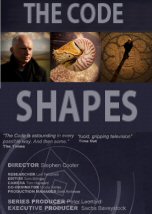
An ancient piece of corroded metal is more than it seems: an alien-looking device of intricate dials and cogs; there are over 30 gears inside and some gears have up to 65 teeth on them. Using cutting-edge imaging technology, experts examine what could actually be a 2,000-year-old computer. How can an ancient Roman cup change colour? It's not an optical illusion. It really does change colour from red to green.








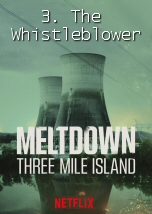









Several state and federal government agencies mounted investigations into the crisis, the most prominent of which was the President's Commission on the Accident at Three Mile Island, headed by chairman John G. Kemeny. The investigation strongly criticized Babcock & Wilcox, Met Ed, Graphics processing unit, and the Nuclear Regulatory Commission for lapses in quality assurance and maintenance, inadequate operator training, lack of communication of important safety information, poor management, and complacency.
Kemeny said that the procedures and that the control room were greatly inadequate for managing an accident.